Alykes & Alykanas — Salt, Sand, and Slow Days
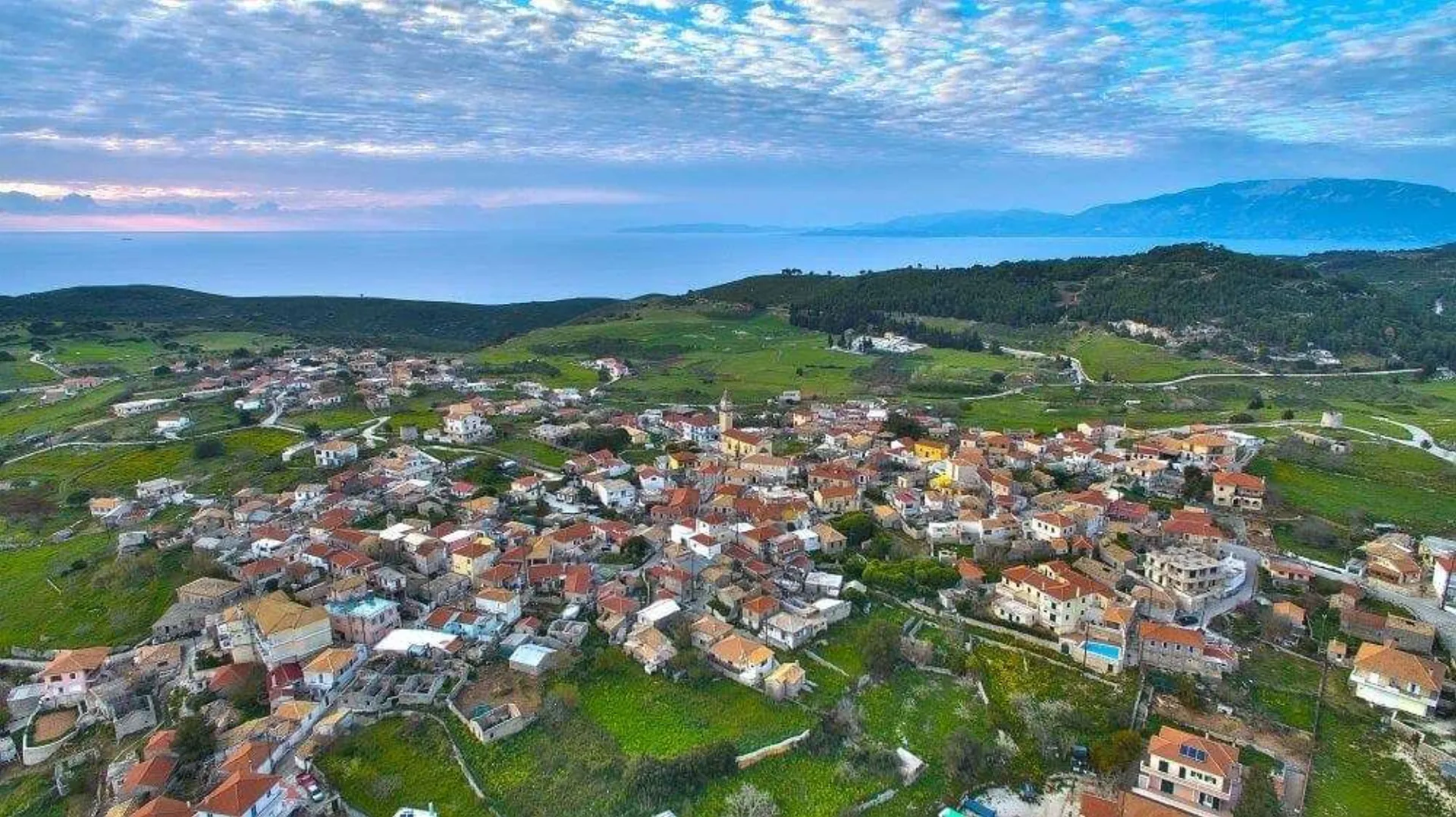
The twin villages of Alykes and Alykanas sit on the northern coast of Zakynthos, about halfway between the capital and the island’s wild northwestern tip. They run into each other so seamlessly that locals sometimes treat them as one settlement — Alykanas to the east, Alykes to the west, with the beach running continuously between them.
The name “Alykes” means “salt pans,” and that tells you the area’s history. For centuries, the flat marshland behind the beach was used for salt production — a vital commodity in an age before refrigeration. The old salt flats are still visible, though production ceased decades ago. Today they’re a quiet, slightly eerie wetland that most tourists walk past on their way to the beach without giving them a thought.
The Beach
Alykes Beach is one of the best on the island for families: long, sandy, gently shelving, with warm shallow water that stays safe well offshore. The beach stretches about two kilometres from the Alykanas headland in the east to the small river mouth at the western end of Alykes village.
The eastern section (Alykanas) is more organised — sunbeds, umbrellas, a couple of beach bars. The western section (Alykes proper) is wider, less developed, and merges with the salt pan wetland at its back. Both sections are clean, well-maintained, and never as crowded as the southern beaches.
The water is remarkably clear given the sandy bottom — the northern coast faces the open sea rather than the sheltered bay, and there’s more current to keep things fresh.
The Villages
Alykanas is the more tourist-developed of the two — a scattering of hotels, apartments, and restaurants along the beach road. It has what you need (supermarkets, pharmacies, car rental) without excess.
Alykes village has more traditional character. The small plateia (square) has a church, a couple of kafeneia, and a genuine village atmosphere in the evenings when locals gather. The harbour at the western end — really just a stone quay with a few fishing boats — is the departure point for boat trips to the Blue Caves and Shipwreck Beach.
These boat trips are significantly cheaper from Alykes than from the more touristy departure points further north at Skinari Cape. The boats are smaller, the guides more personal, and the route includes several stops for swimming that the bigger tour boats skip.
The Salt Pans
The old salt pans occupy a flat area behind the beach, now partially overgrown but still retaining the shallow rectangular pools where seawater was once channelled and evaporated. There’s no official visitor centre or signage — you just walk to the western end of the beach and follow the dirt track inland.
In spring (April-May) and autumn (September-October), the pools attract wading birds: herons, little egrets, sandpipers, and occasionally flamingos passing through on migration. It’s one of those incidental birdwatching spots that doesn’t appear in any field guide but rewards an early morning visit.
Gateway to the North
Alykes is the last significant settlement before the road climbs into the mountains toward Volimes and the wild northwestern coast. From here, you’re 25 minutes from the Navagio viewpoint, 30 minutes from Skinari Cape and the Blue Caves, and 20 minutes from Anafonitria Monastery. It’s the most practical base for exploring northern Zakynthos without staying in the mountains themselves.
Getting There
Alykes is 18 kilometres from Zakynthos Town — about 25 minutes by car via the coastal road through Tsilivi. Buses run in summer, but service is less frequent than to the southern resorts. A car is strongly recommended for exploring the north.