Argassi — Between the Mountain and the Sea
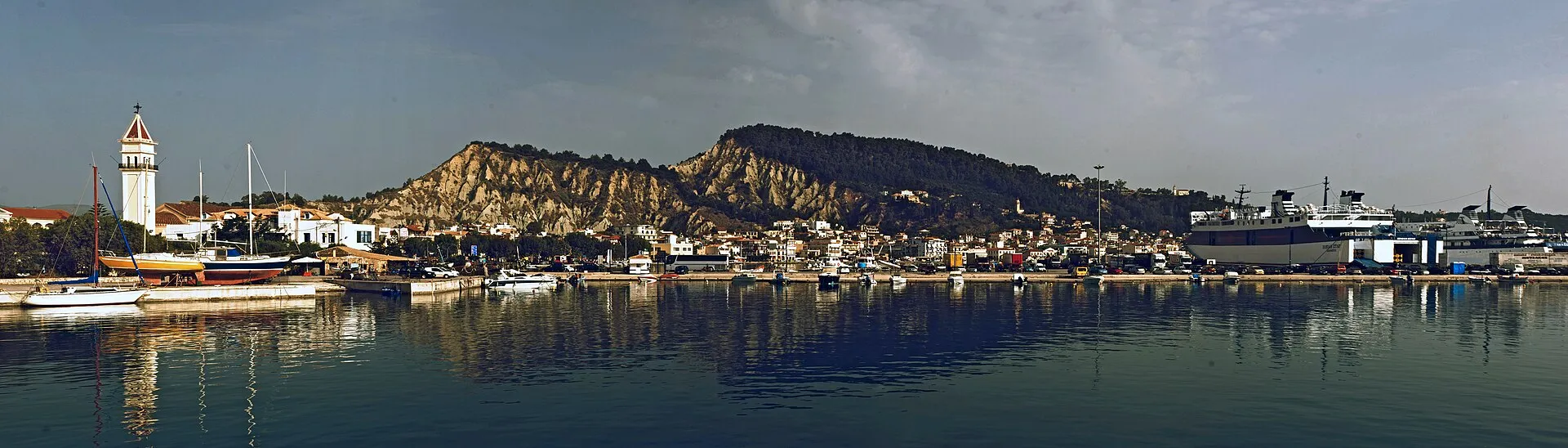
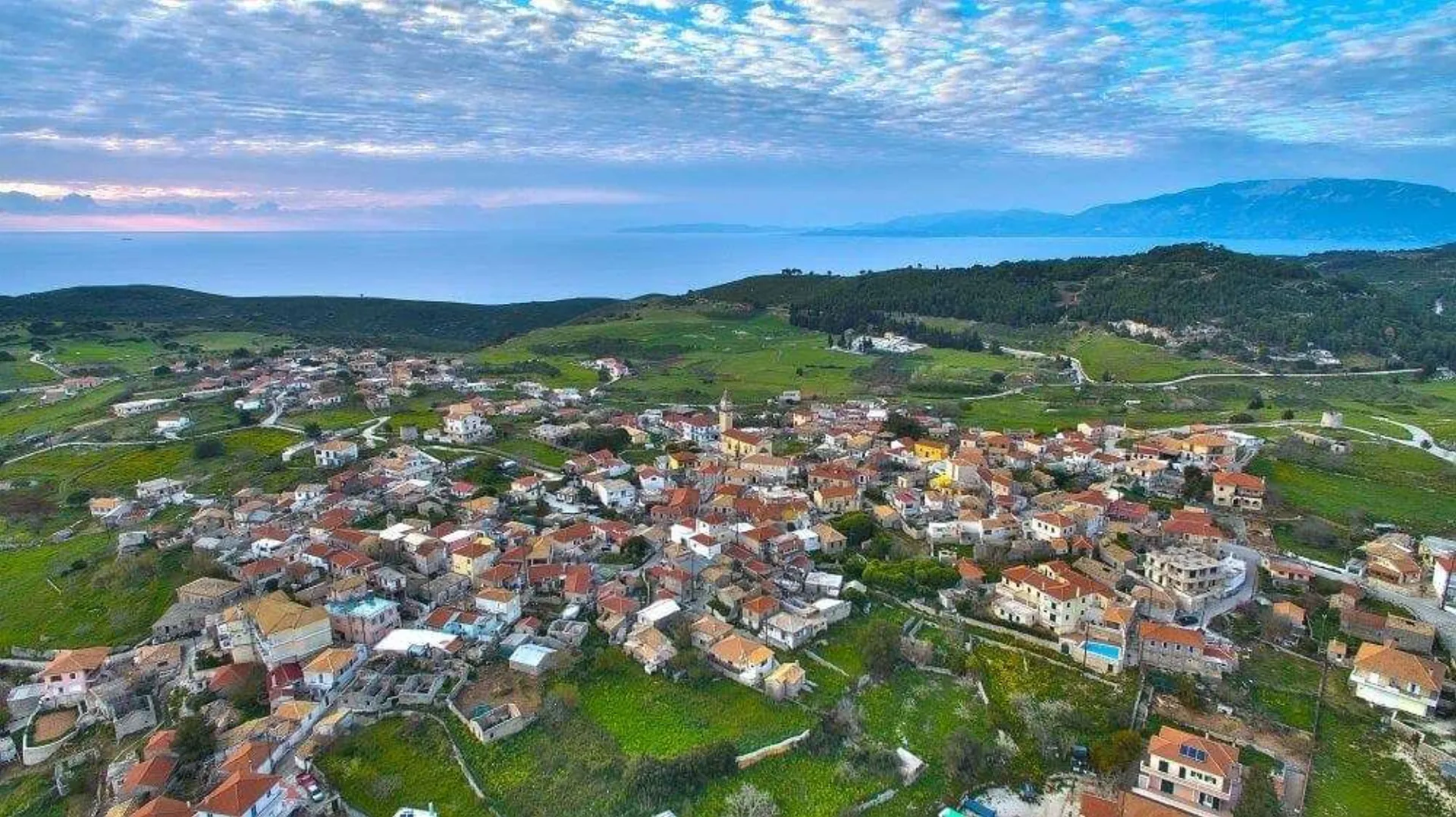
Argassi hugs the eastern coast of Zakynthos, just 4 kilometres south of the capital, where the last buildings of Zakynthos Town give way to a narrow coastal strip backed by the steep slopes of Mount Skopos. It’s one of the island’s oldest resort areas — British and German tourists discovered it in the 1980s — and it retains a mix of modern tourism and surviving Greek village character that makes it more interesting than its strip-resort appearance suggests.
The defining feature of Argassi is the mountain behind it. Mount Skopos (492 metres) rises dramatically from the coast, its rocky flanks visible from everywhere in the village. This isn’t a backdrop; it’s an invitation. The hike to the summit is one of the best things you can do on Zakynthos, and almost nobody from the beach resorts bothers.
The Village
Argassi’s main road runs along the coast for about a kilometre, lined with restaurants, bars, mini-markets, and tourist shops. It’s a functioning resort strip — busy in summer, quieter than Laganas, more lively than Alykes. The mix tends toward British and northern European visitors, with Greek families appearing at the tavernas in the evening.
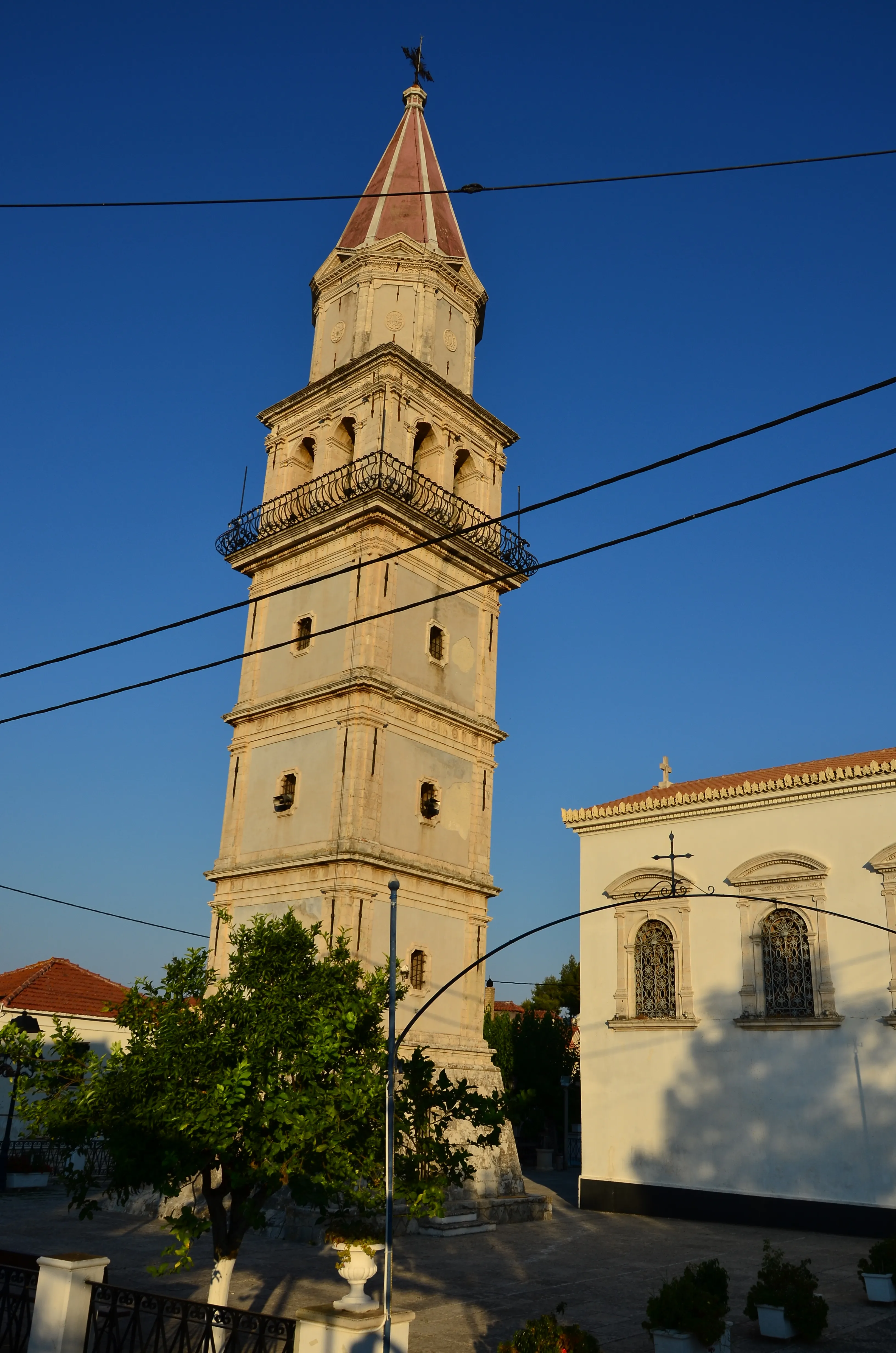
The old part of the village — a handful of stone houses and a church on the hillside above the main road — is easily missed but worth finding. The Venetian-era stone bridge at the southern end of the village, partially ruined but still standing, is one of the more atmospheric historical remnants on the island. It once spanned a small river that now barely trickles.
The Beach
Argassi’s own beach is narrow and partly pebbly — adequate for a morning swim but not the reason anyone comes here. The real beaches are a short drive south: Porto Zoro (3 km), Banana Beach (5 km), and the sublime east-coast coves of the Vasilikos peninsula, which are among the best on the island.
The advantage of staying in Argassi is access: you’re close enough to Zakynthos Town for evening visits, close to the east-coast beaches for day trips, and close to the south coast (Laganas, Kalamaki) for turtle-watching excursions.
Mount Skopos
The hike up Mount Skopos starts where the main road ends — past the last hotel, a signposted path climbs through olive groves and scrubby hillside onto the mountain’s spine. The path is clear and well-worn, if not officially maintained. Allow 90 minutes for the ascent, less for the descent.
At the summit: the ruins of a Venetian observation post, the remains of a church dedicated to the Virgin Mary, and the foundations of what archaeologists believe was a temple to Artemis. The views are the main event — on a clear day you see the entire island laid out below, the Peloponnese mainland to the east, and Cephalonia’s Mount Ainos to the north.
Go early. Before 09:00 in summer, the mountain is still cool enough to climb comfortably. By midday in July, it’s punishing. Carry at least a litre of water per person.
Food
The main road has the usual tourist restaurant selection — competent but unremarkable. Two exceptions: Paporo, a beach bar-restaurant at the northern end that does unexpectedly good grilled fish at reasonable prices, and Strada Marina, a family-run taverna on the hillside road that’s been serving slow-cooked local dishes since 1997. The stifado (beef stew with onions and cinnamon) at Strada Marina is genuinely excellent.
Getting There
Argassi is 4 kilometres south of Zakynthos Town — 10 minutes by car, or a feasible walk along the coastal road if the heat permits. Buses run regularly in summer. The airport is about 5 kilometres away.